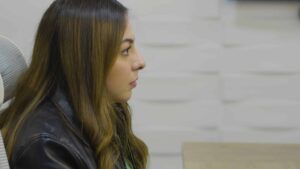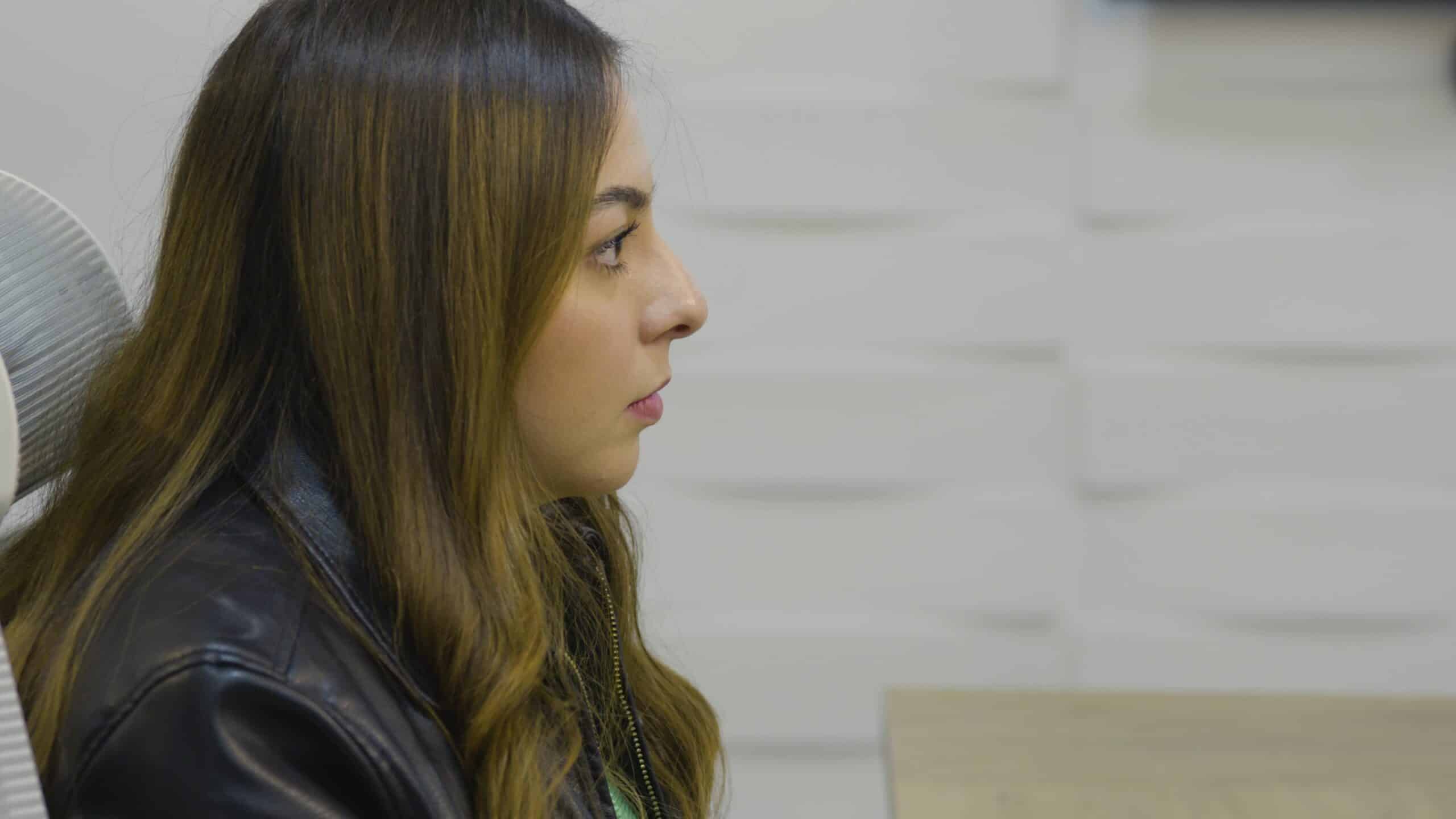
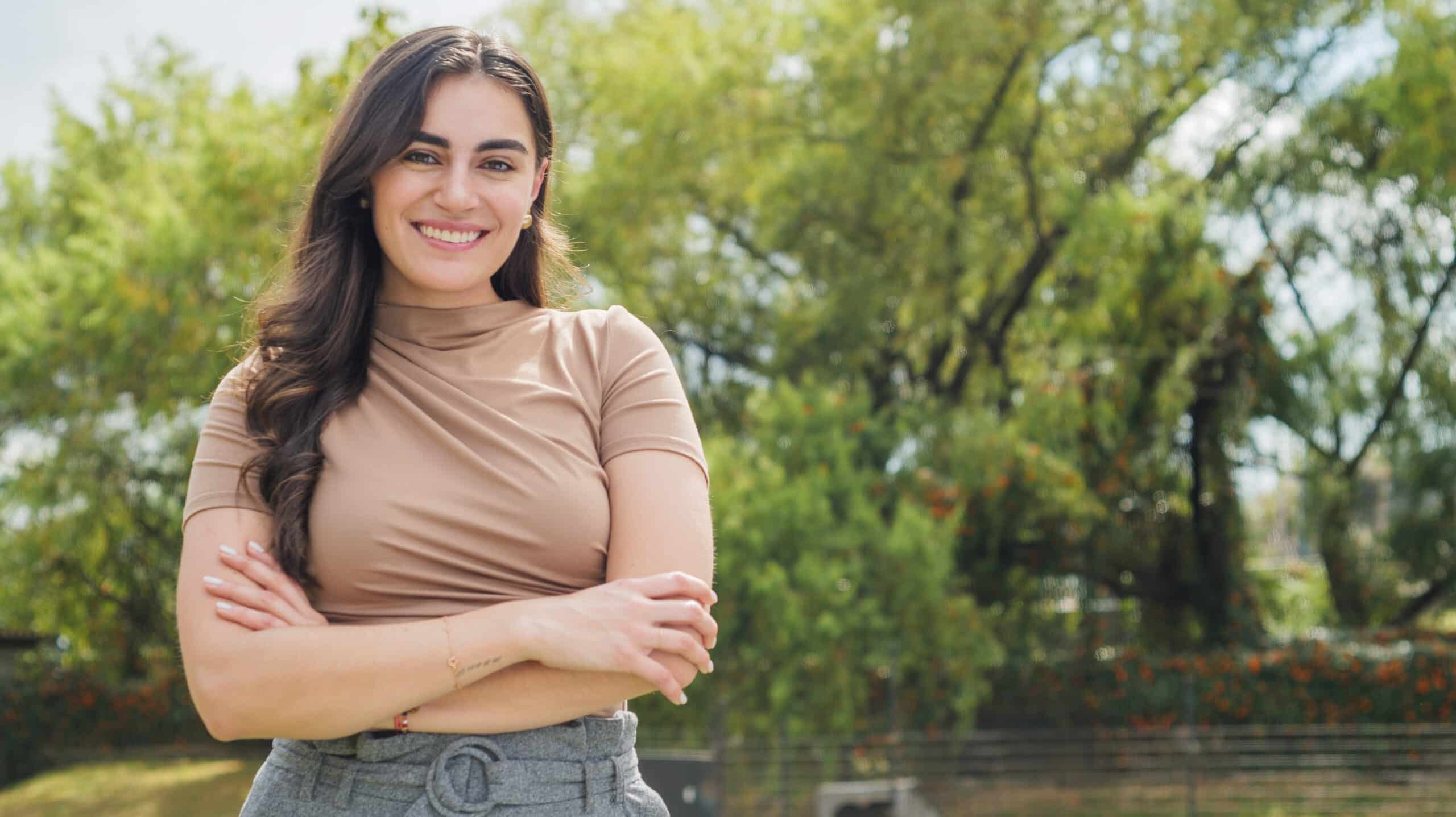

During the pandemic, women facing anxiety, depression, and domestic violence needed help at the same moment that ordinary support systems became harder to reach. Doménica Cobo called a friend and asked a direct question: could they gather psychologists and offer care through the tools people still had?
That first effort helped about 60 people. It became Juntas por Ellas, or Together for Women, an Ecuadorian nonprofit focused on women’s political, social, economic, and health needs. Its central project connects women with accessible psychological support.
A call to serve women
Doménica grew up in Cuenca in a loving home and attended a girls’ school where she learned the value of cooperation and safe environments for women. As a teenager, she was invited to represent her city as Queen of Cuenca, a role linked with social responsibility.
The experience strengthened a feeling she already carried: there was more work to be done. Although she studied law and works as a lawyer, her deeper passion became helping women move from victimhood toward control over their own lives.
Mental health without shame
Doménica describes mental health care as both unaffordable for many people and burdened by taboo. Some are ashamed to ask for psychological help. Others simply cannot pay for it. After the pandemic, anxiety and depression intensified the need.
Mental health may be the priority of health, and it has to be taken as a main responsibility and goal for public policy.
Doménica Cobo
Juntas por Ellas treats care as something people should be able to reach without physical or social barriers. The organization has used remote service, volunteer expertise, and improved technology to extend that access.
From a WhatsApp idea to hundreds of patients
What began as an emergency response developed into a growing service. In the documentary, Doménica describes a team of more than 20 psychologists and many additional volunteers. Together they had supported more than 800 patients by that point.
A grant helped the team improve its platform so psychologists, patients, and support staff could use the service more comfortably. Doménica is not a psychologist, so she listens to the clinical team, reads, asks for feedback, and focuses on building the structure that lets specialists help more people.
What recovery can make possible
One woman in the film describes entering the program with low self-esteem, depression, anxiety, and fear of leaving home. Through support, she began to see herself differently and take steps back into the world. Her testimony gives scale to the work: a platform matters because each connection can return choices to a person who felt trapped.
Why Doménica Cobo is an everyday hero
Doménica recognized a need, invited other people to use their expertise, and kept turning a temporary response into durable support. She defines a hero as someone conscious of their ability to help others. Juntas por Ellas puts that definition into practice through teamwork.
Related women and mental-health stories
- María Luz Córdova built an inclusive community around children and families.
- This everyday hero story shares a personal path through depression.
- Niccalina Santilli organizes care for vulnerable animals and the people who help them.
- Jill Carnegie created a sanctuary through patient, long-term care.
Frequently asked questions
What is Juntas por Ellas?
It is an Ecuadorian nonprofit focused on women’s political, social, economic, and health needs, including access to psychological support.
How did the mental-health project begin?
During the 2020 pandemic, Doménica and collaborators gathered psychologists to help people remotely.
How large did the program become?
In the documentary, Doménica reports more than 20 psychologists and over 800 patients at that stage of the organization’s growth.
Is Doménica a psychologist?
No. She is a lawyer and organizer who works closely with psychologists, volunteers, and technical partners.
Watch the documentary above and share Doménica’s story with someone who believes asking for help should be met with access, dignity, and care.
The post Doménica Cobo: Mental Health Support for Women in Ecuador appeared first on Your Everyday Heroes.