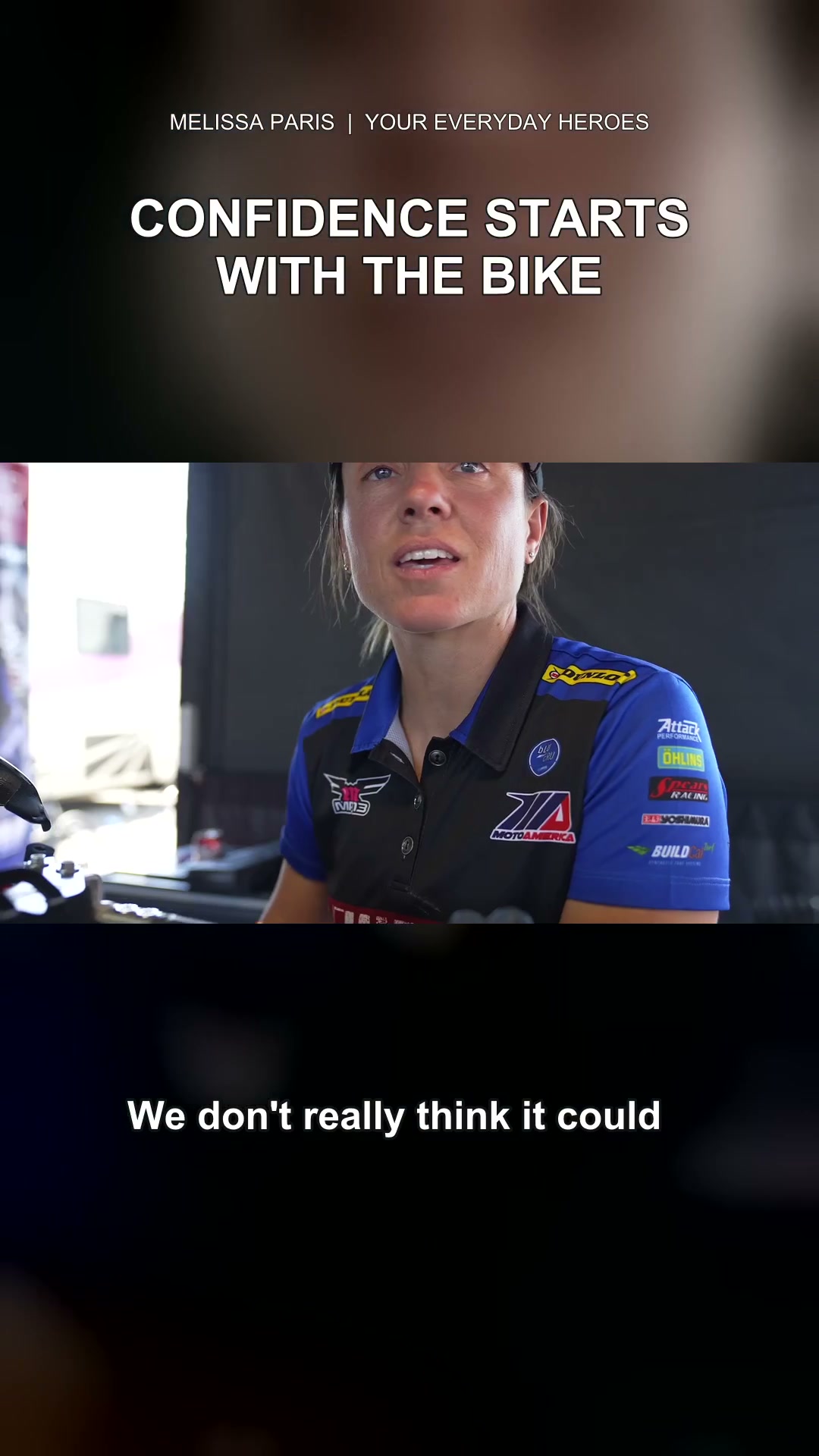
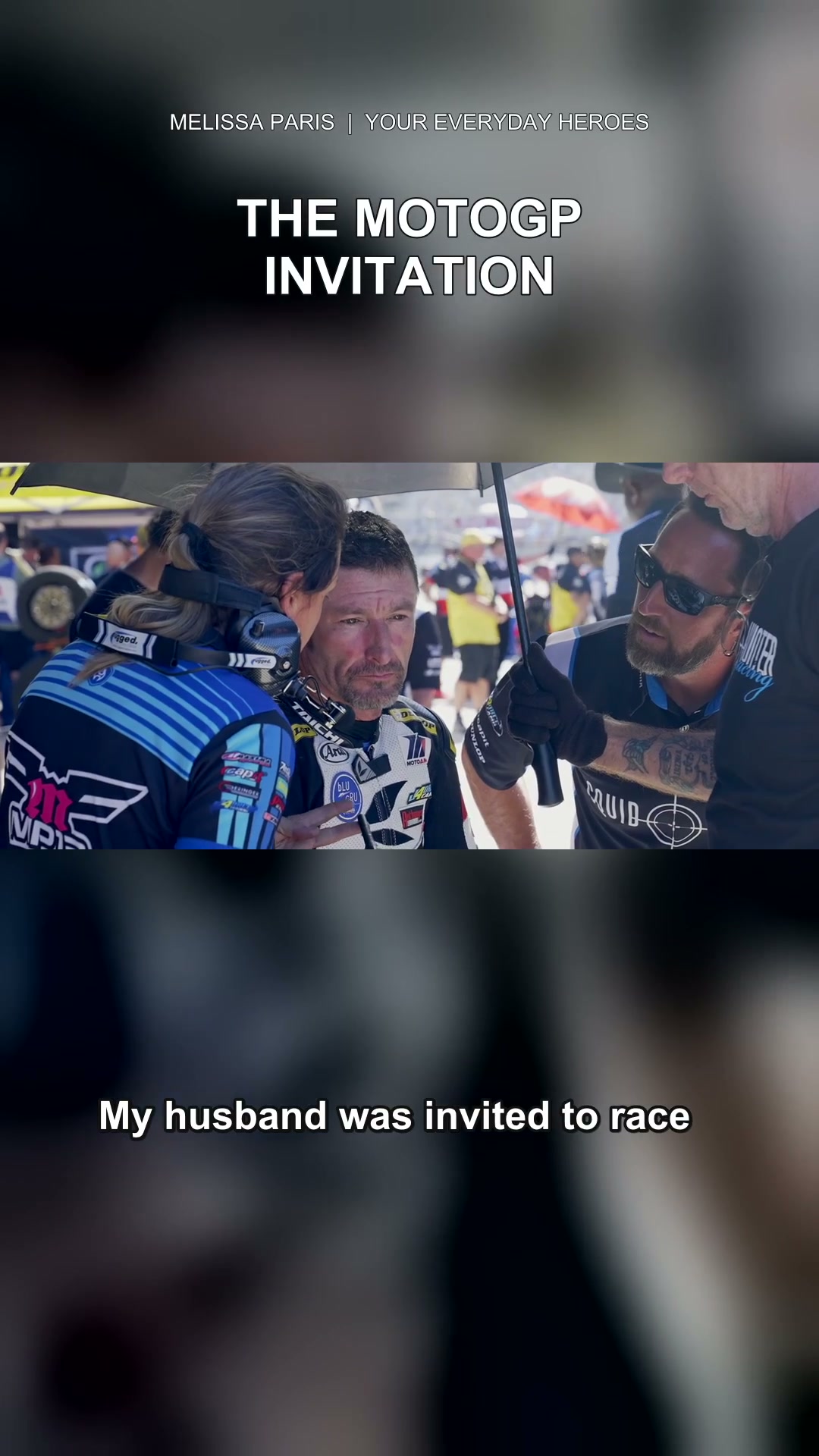
Melissa Paris knew she had been offered something extraordinary. She also knew how quickly people might decide what kind of rider she was.
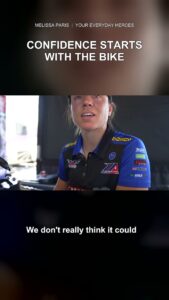
In Permission Not Asked, the motorcycle racer, team owner, mechanic, and mother tells the story of getting a chance to ride a MotoGP bike. What stays with her is more than the motorcycle. It is the pressure she put on herself before opening the throttle, the surreal feeling of sharing the track with Valentino Rossi, and the gratitude she still feels for the invitation.
The moment makes a compelling short video. Her full account reveals the person behind it.
An invitation that changed once she arrived
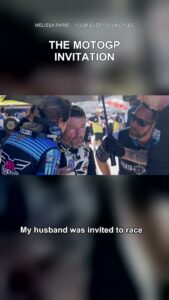
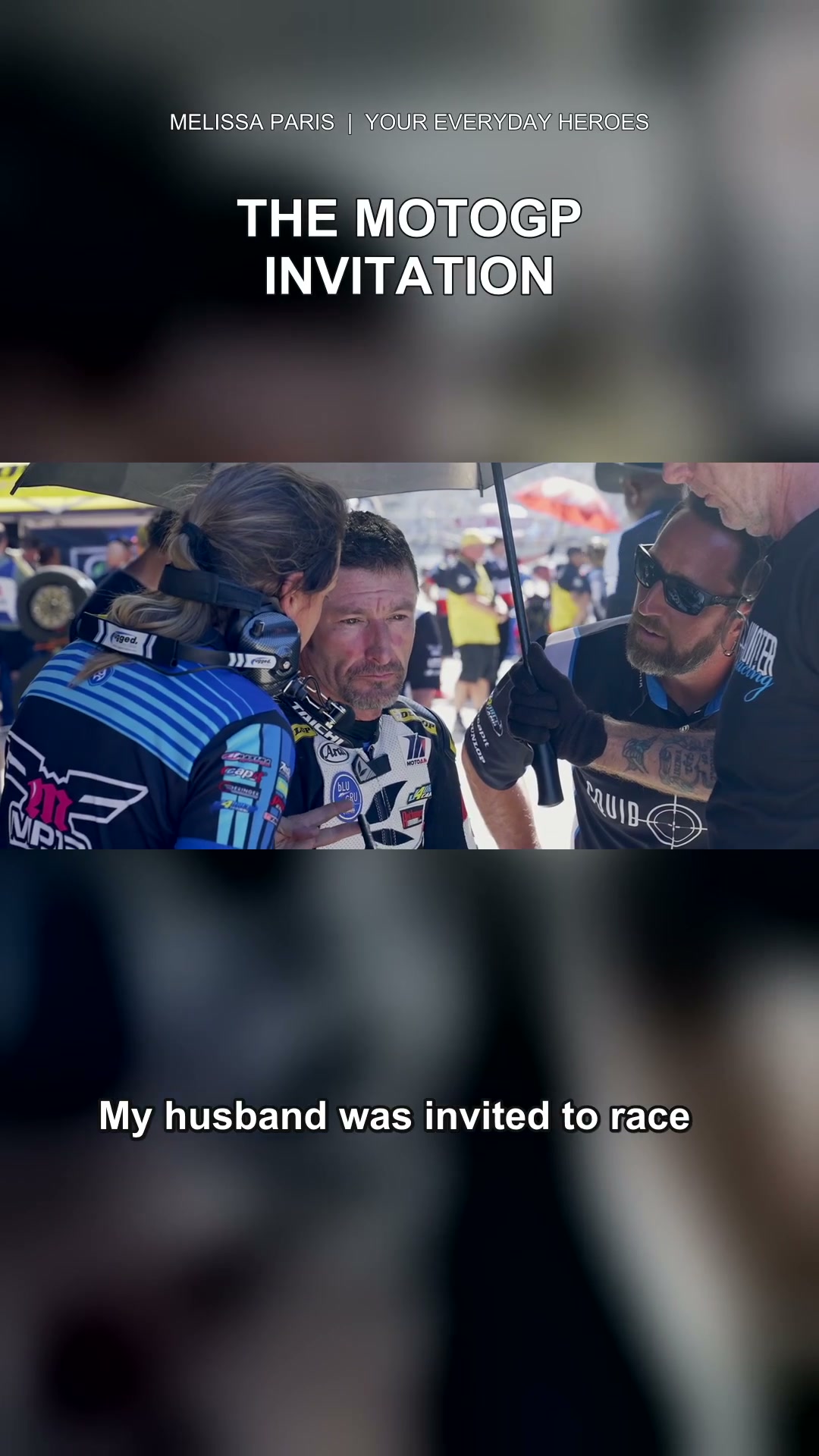
The opportunity began with her husband. He had been invited to ride a MotoGP bike. Once they arrived, Melissa says, the story changed: the team owner offered her a turn.
She was already a racer. This was not her first experience on a motorcycle or an instant transformation from spectator to professional. The remarkable part was the particular machine she had been offered and the chance to experience something even an accomplished racer could find overwhelming.
“The coolest motorcycle you could possibly ride, basically.”
That is how she describes the bike in the film. The enthusiasm is immediate. So is the realization that she would have to ride it in front of people whose opinions mattered to her.
The pressure before the throttle
Melissa admits worrying that observers would dismiss her riding. She imagined people saying that she had been timid, that she had not opened the gas, or that she had ridden “like a girl.”
She presents those thoughts as her own anticipation of judgment. The film does not establish that a particular person said those things to her. That distinction matters because the story is powerful enough without an invented antagonist.
The tension comes from a familiar place: being given an opportunity you desperately want, then feeling that you have to prove you deserve it.
For Melissa, the answer came when she rolled onto the track. On the first trip down the front straight, she decided she would not give anyone the opportunity to make that judgment. She held the throttle open while shifting through the gears.
“That was terrifying, but amazing.”
Both words belong in the story. Removing the fear would flatten what made the experience meaningful. Removing the excitement would miss why she wanted to do it in the first place.
Then Valentino Rossi came past
Melissa describes the experience as surreal. At one point, Valentino Rossi passed her on the racetrack.
It is a wonderfully specific detail. She does not claim she overtook him, competed against him in a MotoGP race, or earned a MotoGP race entry that day. The joy is in having been there, on that motorcycle, sharing that stretch of track.
Her closing reaction has the same warmth as the rest of the account: she is still a little surprised she was allowed to do it and very glad that she was.
That mixture of ability and disbelief is part of what makes Melissa easy to listen to. She understands how exceptional the opportunity was, but she tells it without turning herself into an untouchable character.
A racing life that began differently
Elsewhere in the film, Melissa explains that nobody in her family rode motorcycles. She learned to ride while she was in college and fell in love with it immediately.
Many people she raced against had started much younger. Her own beginning did not come with a grand career plan. She simply wanted to keep doing the thing that made her feel that way.
The contrast gives the MotoGP story more weight. A person who came to riding through a different route eventually found herself on an extraordinary motorcycle, having an experience she would never treat as routine.
What opportunity means after the ride
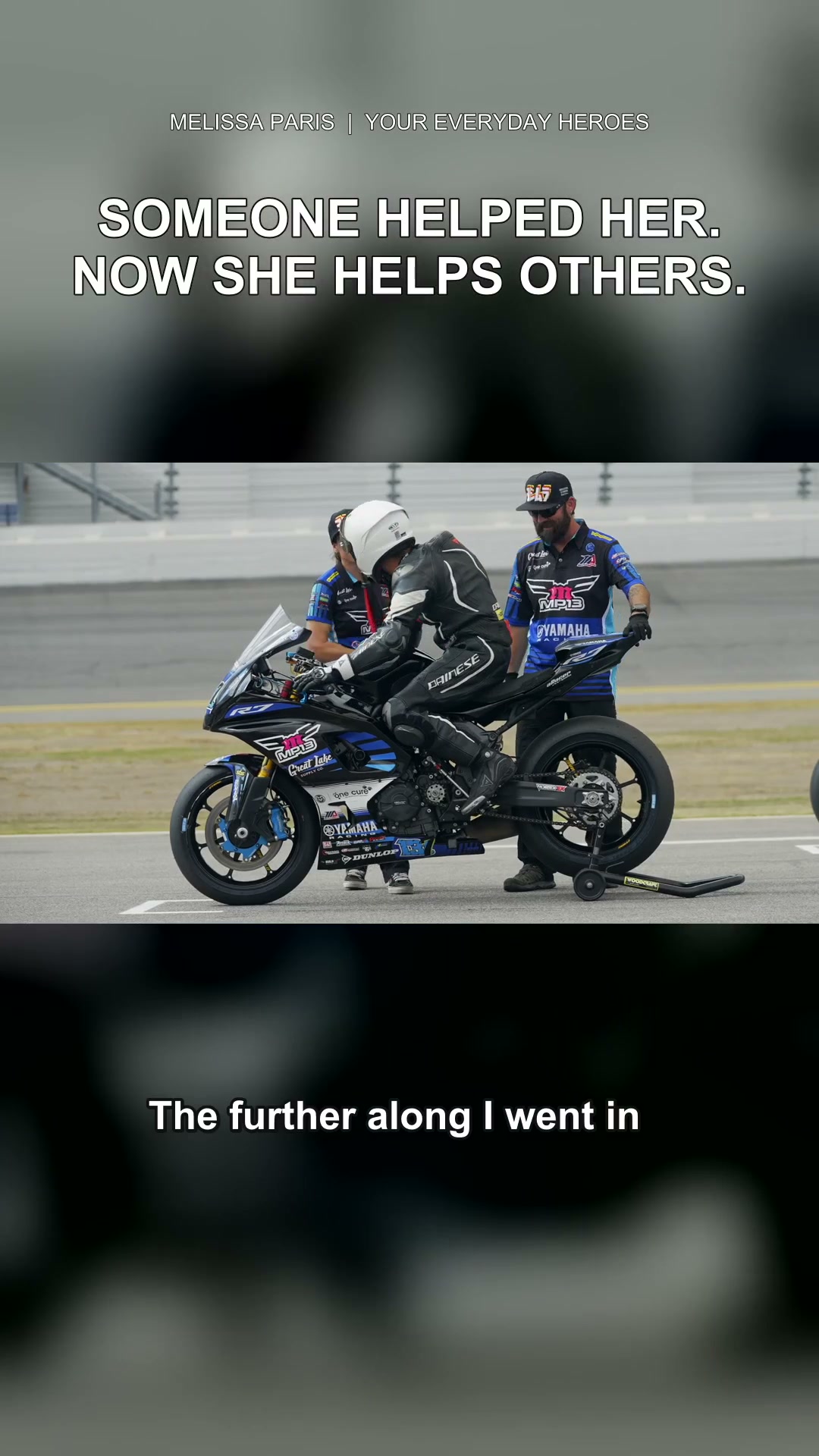
The film also follows Melissa’s thinking beyond her own achievements. As she progressed in racing, she noticed how often people at the highest level had received help along the way.
She wanted to pass that help on. She explains that this was part of why she started MP13 Racing: to create opportunities for young riders, including girls coming into the sport.
Her work with Royal Enfield’s Build Train Race program adds another dimension. She talks about mentoring women while they built race bikes, learned on the track, and prepared to race. She especially valued helping them gain confidence with the mechanical work.
That is the larger story behind the memorable clip. Melissa knows what it feels like when someone opens a door. She also wants to be someone who opens one.
Watch Melissa’s complete story
The MotoGP ride is one reason to watch Permission Not Asked. The work in the garage, the mentoring, and the family life around racing are reasons to stay.
Watch Melissa Paris in Permission Not Asked, then explore why her work makes her an Everyday Hero.
The post What It Felt Like to Ride a MotoGP Bike: Melissa Paris’s Story appeared first on Your Everyday Heroes.