On the beach at Ligüiqui, Ecuador, a lesson in breathing becomes a lesson in belonging. Marine biologist and freediving instructor Sebastián Hernández is helping children build confidence in the water while reconnecting with the knowledge, safety, and marine heritage of their community.
From marine biology to freediving instruction
Sebastián was born in Punta Arenas, Chile, and grew up in Santiago before studying marine biology in Coquimbo. His academic path later took him to Victoria University of Wellington in New Zealand, and his work brought him to Manta, Ecuador. Alongside that scientific training, he developed his freediving practice and became an instructor.
For Sebastián, freediving is not about spectacle. It is a practical way to understand the body, move safely in the ocean, and build a deeper relationship with marine life.
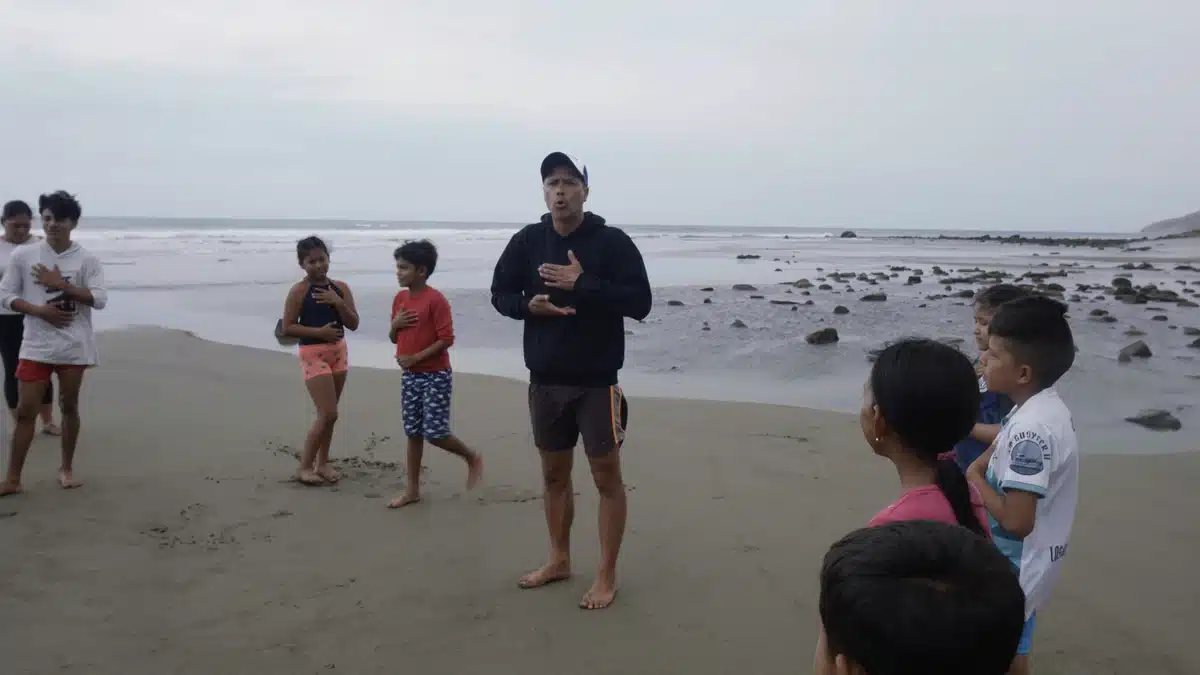
Teaching water confidence in Ligüiqui
Ligüiqui is a rural coastal community with deep ties to the sea and the history of the Manteño-Huancavilca people. Many local families fish, and knowledge of breath-hold diving has passed from one generation to the next. Sebastián’s workshops bring formal technique to that lived knowledge.
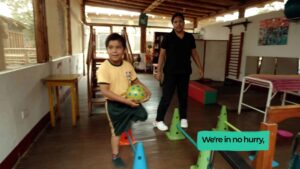
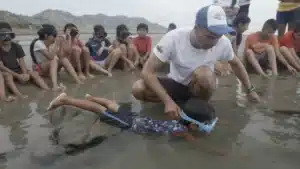
The children begin on land with breathing exercises and yoga. They learn how masks, snorkels, and fins work. Only then do they enter shallow water, where they practice calmly and gradually. The goal is not to push limits; it is to replace fear and uncertainty with preparation, awareness, and respect for the ocean.
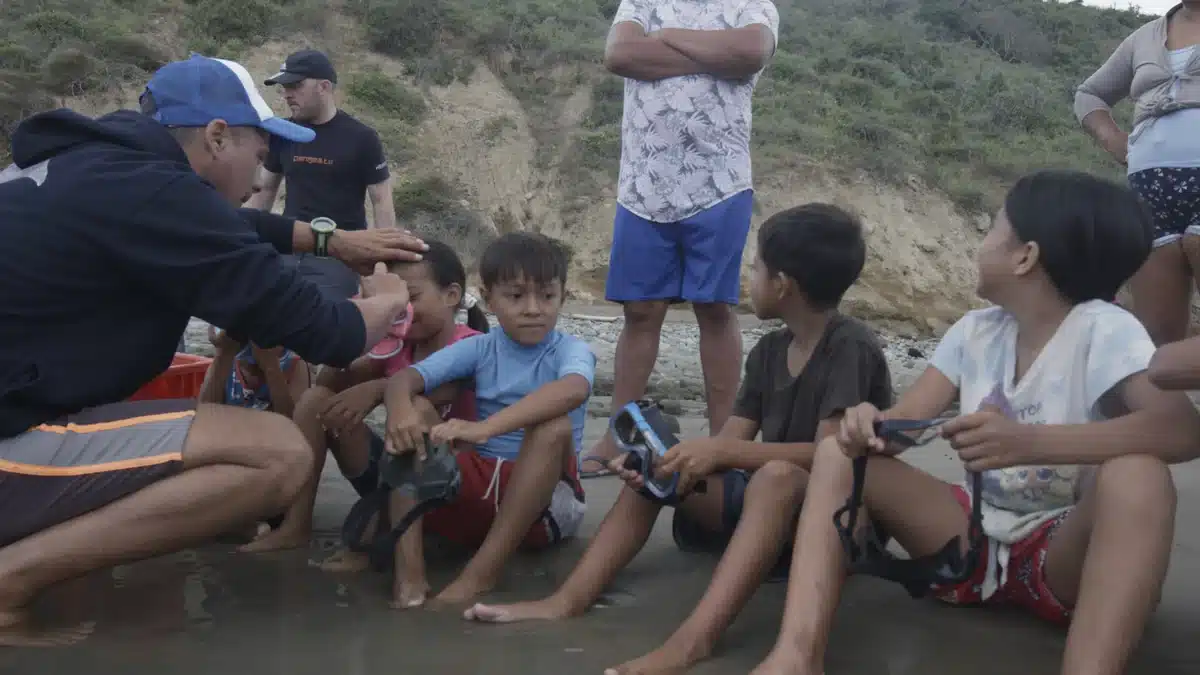
Preserving knowledge and making it safer
The documentary connects the workshop to the community’s ancestral relationship with the coast. Sebastián explains that technical training can help reduce the ear injuries and other problems experienced by some breath-hold fishers. Good technique gives young people tools to continue a tradition in a healthier, more sustainable way.
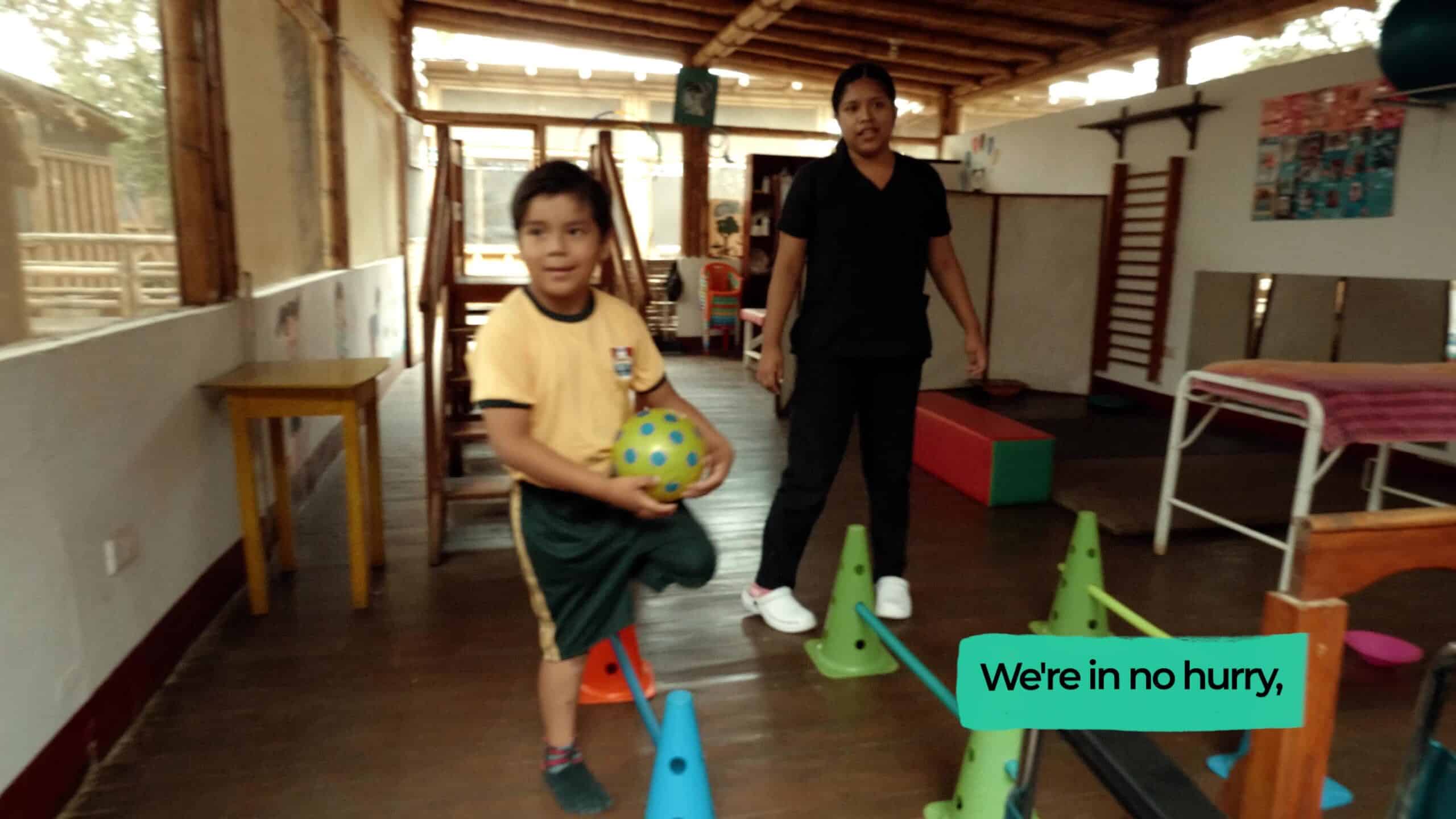
The children describe what the experience gives them: new skills, greater independence, time with friends, and a chance to discover marine animals they had not known before. Their voices make the impact clear. This is education that feels immediately useful.
Vamos al Agua
Sebastián and his partner created the freediving school Vamos al Agua during the pandemic, when they were challenged to build from what they knew best. The school grew from skill and necessity into a way to help others move through fear. In the film, one participant explains that the work helped her overcome her fear of the water.
A hero, for me, is a person who can provide important tools, feelings, passion, and courage to someone else or to a community that is involved in an environmental issue.
Sebastián Hernández
Why Sebastián Hernández is an everyday hero
Sebastián’s work brings science, local knowledge, and patient instruction together. He is not simply teaching children to hold their breath. He is helping them understand their environment, trust their abilities, and carry a coastal heritage forward with safer tools.
Watch the full documentary in the video player above, then share Sebastián’s story with someone who believes knowledge can change the way a community sees its future.
The post Sebastián Hernández: Teaching Children to Breathe, Dive, and Belong appeared first on Your Everyday Heroes.