Below the surface near Manta, Ecuador, abandoned fishing nets can disappear into the landscape while continuing to catch and kill marine life. Santiago Hidalgo knows how to spot them. Years of diving have trained his eyes to recognize debris that has already begun to blend into the seafloor.
Santiago has organized or joined more than 100 large cleanups over roughly a decade. His documentary shows that underwater conservation is demanding work built on preparation, teamwork, local knowledge, and the will to act.
The danger of ghost nets
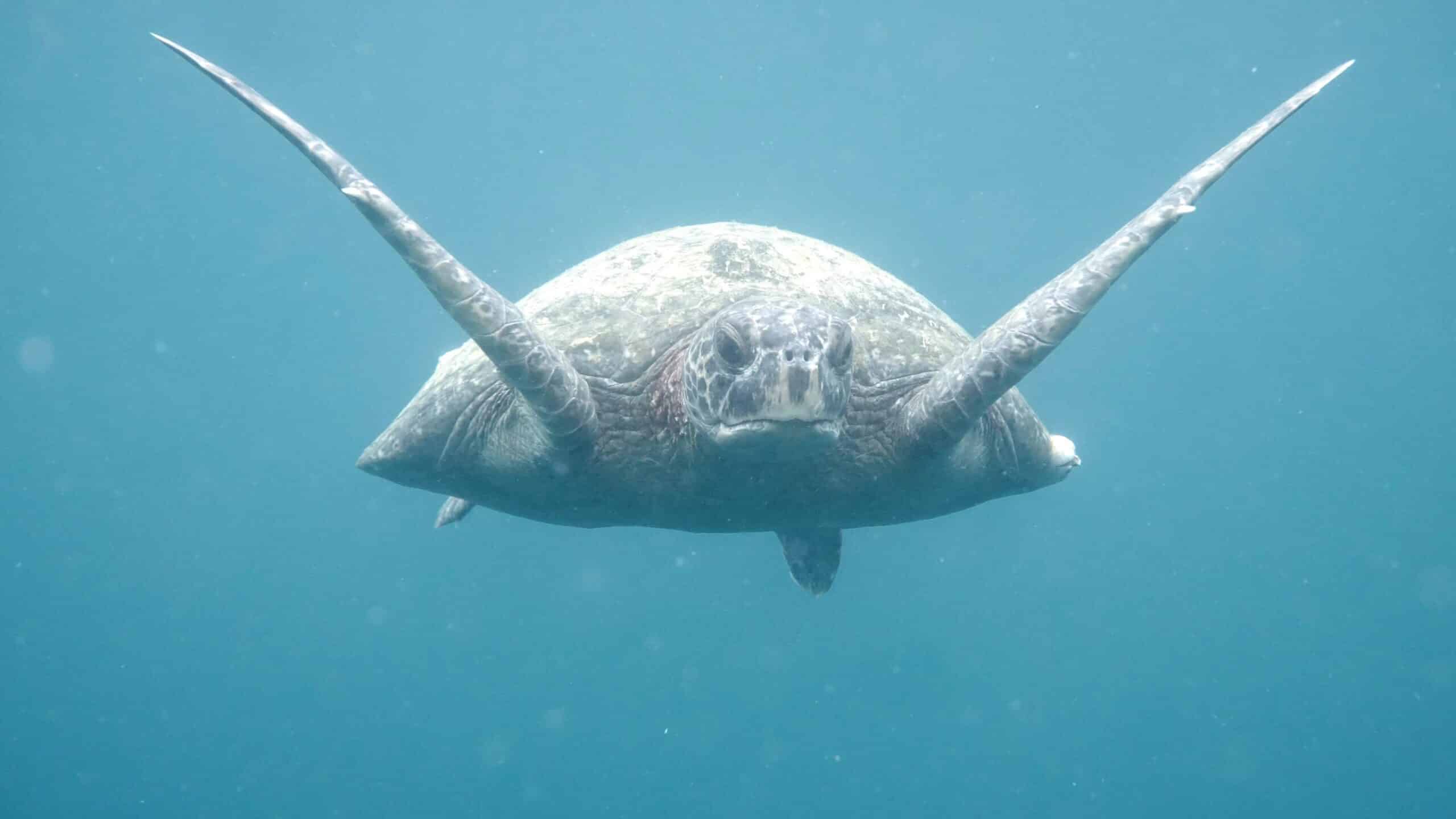
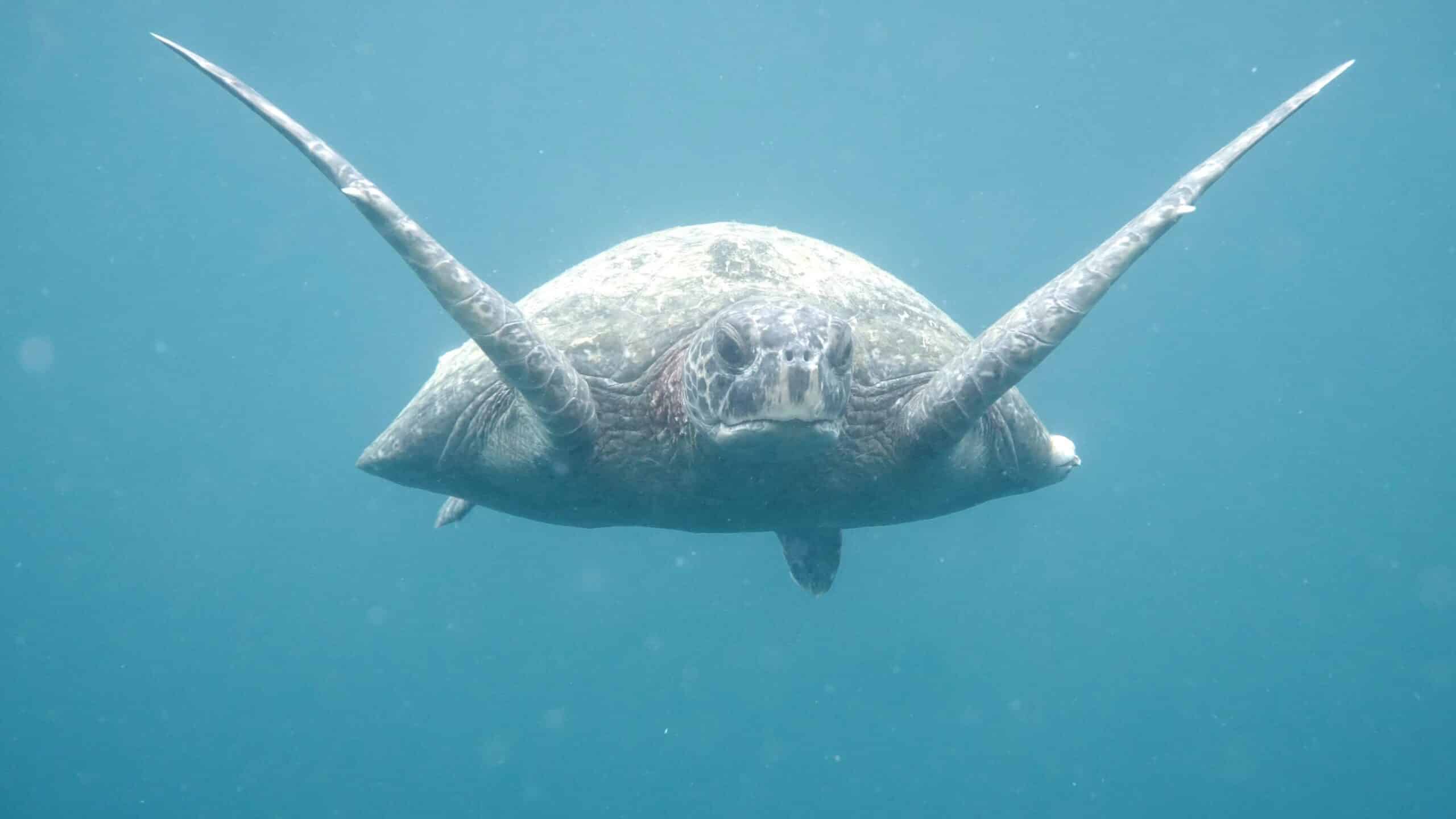
Santiago identifies abandoned fishing nets, often called ghost nets, as one of the most destructive forms of marine debris in his area. A bottle is pollution, but a drifting net can keep trapping moray eels, sea turtles, fish, sharks, dolphins, and other animals long after it has been lost or cut free from a vessel.
When a part of that ocean dies, it is very unusual for the species to come back.
Santiago Hidalgo, translated and edited from the documentary
The loss spreads beyond a single animal. A damaged reef can stop supporting fish, recreation, and local livelihoods. For Santiago, removing one net protects both wildlife and the people who depend on a healthy sea.
Why underwater cleanup requires a plan
A cleanup begins before anyone enters the water. Santiago checks swell, current, temperature, visibility, and the experience of the team. Divers use GPS and sonar to locate likely debris fields, mark a site with a buoy, then inspect it for hazards before trying to lift anything.
The work can be dangerous. Nets snag equipment and people. Depth limits working time. Heavy debris must be secured, lifted, and transferred to a boat without creating a second emergency. Santiago emphasizes that experience and a trusted team make the difference.
Three hundred pounds in one morning
During one cleanup featured in the film, a small group of divers removes about 300 pounds of trash. Across years of work, Santiago estimates that he and the people alongside him have pulled several tons from the ocean.
Those results come from a network. Friends, clients, dive professionals, local groups, and private businesses in Manta have all helped. Each trip also becomes a chance to build awareness among people who spend time on or near the water.
From blame to better information
Santiago’s experience changed how he understood the source of local debris. Tourists contribute to pollution, but the tools, batteries, and fishing equipment his teams recover point to a wider problem. Accurate observation helps the community focus its response where it can have the greatest effect.
Why Santiago Hidalgo is an everyday hero
Santiago turns love for diving into consistent stewardship. He studies conditions, brings people together, accepts the risk of difficult work, and removes hazards most people will never see. Just as importantly, he teaches others to treat the ocean as a shared place of work, wonder, and responsibility.
Related ocean and animal heroes
- Carmen González trains coastal communities to protect threatened sea turtles.
- Michel Guerrero works to protect giant manta rays.
- Tracey Lemon protects turtles and nesting beaches in Costa Rica.
- Sebastián Hernández teaches children freediving and respect for the sea.
Frequently asked questions
Where does Santiago Hidalgo work?
His documentary follows underwater cleanup work around Manta, Ecuador.
What is a ghost net?
It is lost or abandoned fishing gear that can continue trapping and killing animals after it is no longer controlled by a fishing vessel.
How many cleanups has Santiago joined?
He says he has organized or participated in more than 100 large cleanups over about ten years.
Why is professional preparation important?
Currents, depth, entanglement, heavy objects, and limited visibility can make underwater debris removal dangerous.
Watch the documentary in the player above, then share Santiago’s story with someone who believes every visit to nature should leave it better.
The post Santiago Hidalgo: Removing Ghost Nets from Ecuador’s Ocean appeared first on Your Everyday Heroes.