The sea is immense, and a whale shark does not need to surface for air. Finding one off Peru’s northern coast requires patience, local knowledge, and an understanding of where its food moves through the water. Alejandra Mendoza has spent nearly a decade building that knowledge.
Through the World Shark Project, Alejandra studies an endangered species while working with fishing communities and government agencies. Her goal is not only to collect biological data. It is to turn evidence into protection.
From sea turtles to whale sharks
Alejandra began working with the conservation organization Ecoceanica during her professional training. She first supported sea-turtle work, then joined a new whale shark project. The opportunity matched her long-standing fascination with sharks.
At the time, fear shaped many encounters. Some fishermen believed whale sharks were dangerous and tried to drive them away with fuel or oil. The research team had to replace myth with observation and trust.
How researchers find a whale shark
Field days begin with gear, coffee, and a decision about whether recent sightings point north toward Punta Mero or south toward Punta Sal. The boat moves slowly, often within a few miles of shore. Researchers watch for a dorsal fin, the tip of a tail, or a dark shape below the surface.
Whale sharks feed on zooplankton. As sunlight changes where plankton gathers in the water column, a feeding shark may come close enough to the surface to be seen. The team approaches from behind, never cutting across the animal’s path.
Gentle movement and useful photographs
Alejandra reads the shark’s speed and behavior before entering the water. She swims calmly and photographs the animal without crowding it. Measurements of the dorsal fin can help researchers estimate total length, an important technique when an animal may grow to six, seven, or even eleven meters.
Individual photographs and repeated observations create a record of who is visiting, how large the animals are, and how the population may be changing.
Research that helped change policy
The team’s early data supported work by Peru’s Ministry of Production and its marine research authorities. Whale shark fishing and the commercialization of products from the species are now prohibited. Alejandra continues working toward practical guidelines for responsible wildlife tourism.
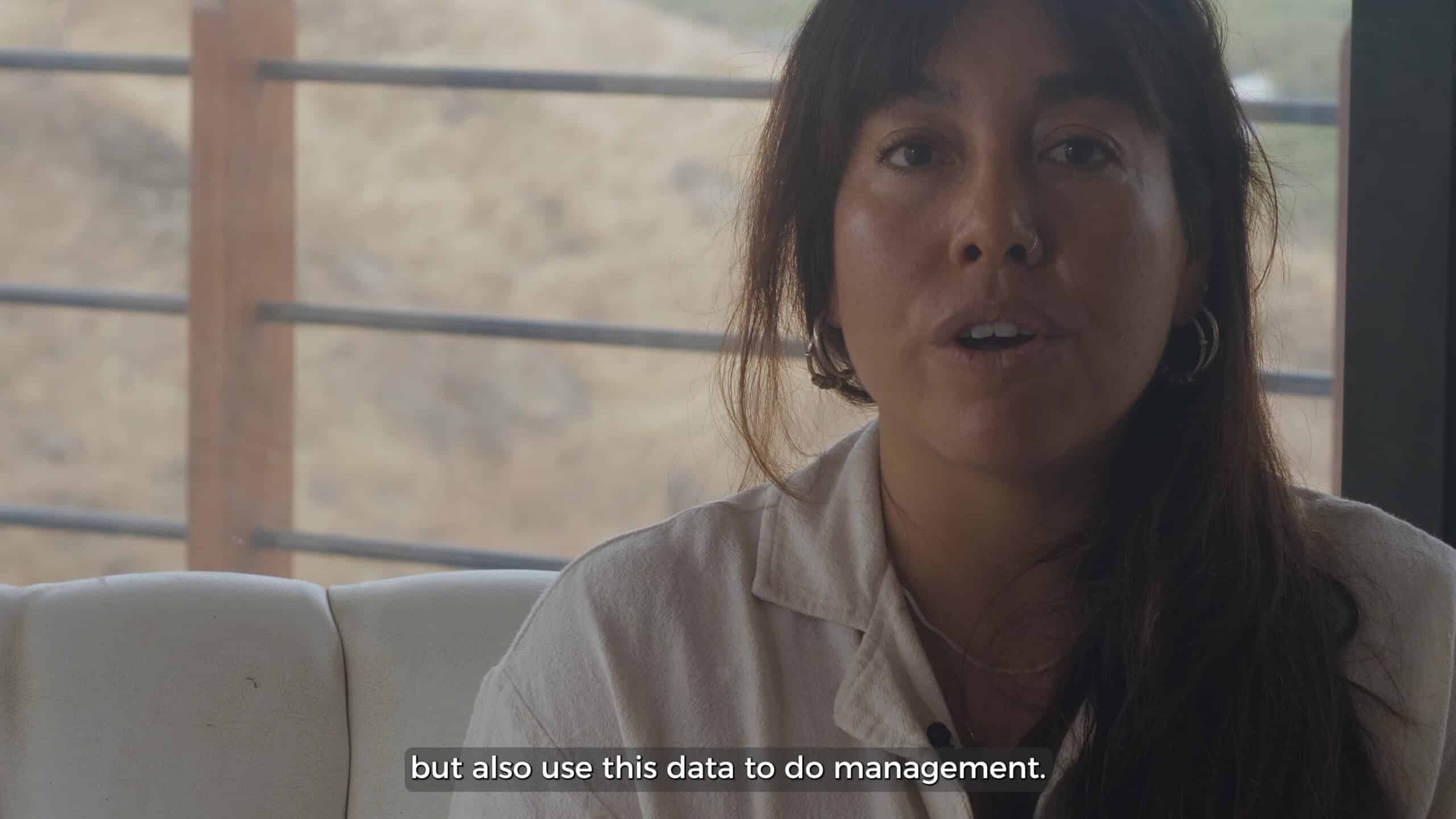
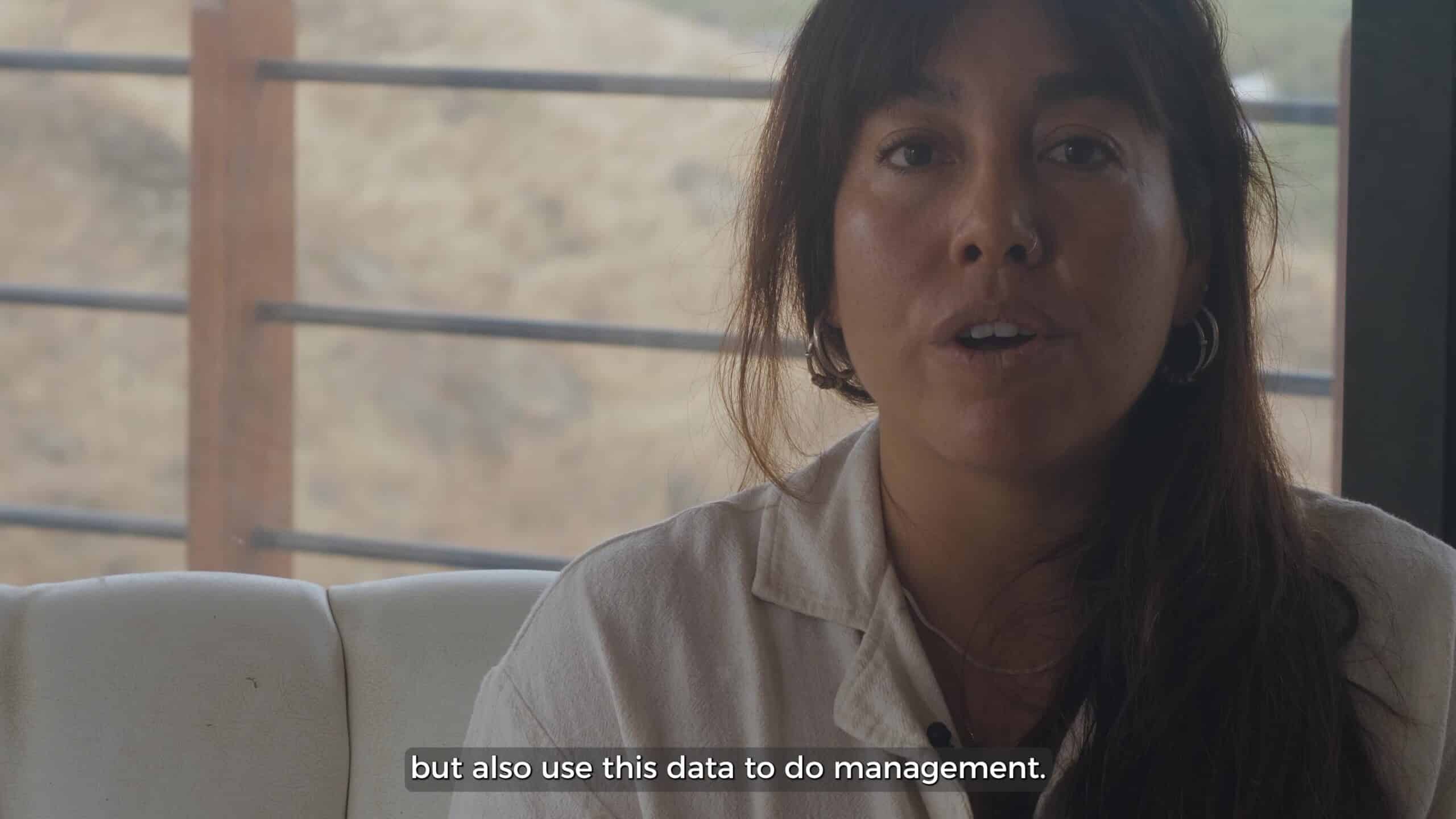
It does not stop in collecting biological and ecological data. We also use this data to do management.
Alejandra Mendoza
Changing a community’s relationship with sharks
The project’s most visible change may be in the fishing community. People who once feared whale sharks now help report sightings, support research, and see responsible tourism as an opportunity. Children have begun imagining futures in marine science because they see researchers returning year after year.
Alejandra welcomes those conversations. When local parents ask how a child might study the ocean or find a related career, she shares her contact information and offers guidance. Conservation becomes a pathway, not only a restriction.
Why Alejandra Mendoza is an everyday hero
Alejandra connects patient fieldwork with lasting public change. She respects the animal, builds local participation, collaborates with government, and helps young people see themselves in science. Her work proves that protecting a species begins with understanding it and succeeds when a community claims the mission as its own.
Related women and marine heroes
- Carmen González combines sea-turtle research with community training.
- Michel Guerrero works to protect giant manta rays.
- Santiago Hidalgo removes ghost nets from Ecuador’s ocean floor.
- Tracey Lemon protects sea turtles and their nesting habitat.
Frequently asked questions
Where does Alejandra Mendoza conduct research?
Her documentary follows whale shark work near Máncora and the northern coast of Peru.
Are whale sharks dangerous to people?
Alejandra describes them as gentle giants. They filter-feed on plankton rather than hunting people.
How does the team identify whale sharks?
Researchers use careful observation and underwater photography, including measurements that help estimate an animal’s size.
What changed because of the research?
The data supported legal protection, responsible-tourism planning, and a major shift in how local communities view whale sharks.
Watch the documentary above and share Alejandra’s story with someone who believes science works best when communities help lead it.
The post Alejandra Mendoza: Protecting Peru’s Gentle Giants appeared first on Your Everyday Heroes.